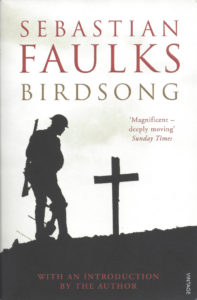
 Hello again, class.
World War I and World War II are often lumped together as a collective global stain of history. They are so linked that WWII is usually seen as an extension of WWI, and it’s hard to talk about one without the other. It’s easy to forget that at the time, WWI was its own devastating conflict, worse than anything that had come before it and unimaginably tragic on its own.
That seems to be the driving motive behind author Sebastian Faulks’ novel Birdsong. In lumping together both World Wars, the identity of the first Great War gets lost in the past—Birdsong is about bringing that past to the forefront, lending focus to the social and cultural atmosphere at the time of WWI. The story is in its own way about uncovering history, using it to guide our present and plan our future while appreciating it for what it is, regardless of what happens next.
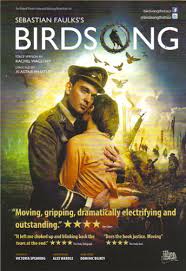
Poster for the stage adaptation of Birdsong (2010)
Faulks wouldn’t be able to accomplish this without a supportive story, and good characters to populate it. It’s safe to say that Stephen Wraysford is Birdsong‘s main character—he is a man with a complicated upbringing coupled with a melodramatic love affair in his early 20s, who is thrust into the Great War. His relationships with other men in the war help to humanize the conflict, though with all the violence he sees, he is always questioning humanity and its destiny. He seems fairly determined to hide his past, though he isn’t ashamed of it, and his love affair plays an important role in his future.
Fast-forward to the 1970s, where we meet a woman who is presumably his granddaughter—Elizabeth Benson, who shares some of the responsibility as main character. This 38-year old woman, having an affair of her own, is contemplating her place in life and decides to unearth her ancestral history. The novel jumps back and forth between Stephen’s perspective and Elizabeth’s, merging both points of view to appropriately assess the events of the war.

Author Sebastian Faulks
Birdsong is historical fiction—not a dramatization of real events. A based-on-a-true-story approach might have worked just as well for the sake of realism, but Faulks isn’t interested in detailing who did what where. He created fictional characters to fill them with the spirit of the people involved. Birdsong is a human drama, not a war epic or a nonfiction account—those things would be about the war itself, which is just another conflict in our history. Birdsong instead tells a story about individuals, who bear the weight of a larger catastrophe and question their place in it all.
If it were boiled down to one thing, Birdsong is a story about the best and worst of human nature. Stephen constantly asks himself how far the people in this war are willing to go, and nothing he sees lets him rest easy. But humanity has its moments of redemption in the way individuals treat each other: the way soldiers treat fellow soldiers, the way Stephen treats those he loves, and the way Elizabeth is able to find love amidst the war of her past. Humanity can be a cannibalistic hunger, a vain and selfish ambition that threatens its own existence, but it can also be warm and compassionate, full of love and hope. Birdsong makes the list for portraying humanity at its ugliest and at its most beautiful.
I liked reading Birdsong a lot, which has maybe contributed to my distaste for the next book on the list—a novel by Martin Amis called Money: A Suicide Note. I know why it made the list, but all the same I haven’t enjoyed it at all . . . but I’m getting ahead of myself. More on that next time.
Until then,
Prof. Jeffrey
 Call me Prof. Jeffrey.
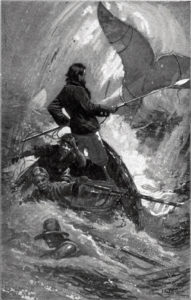
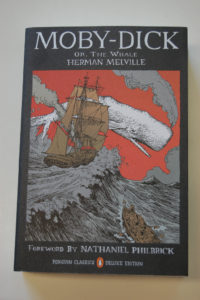 When I say I’ve learned plenty about whales, I mean it—the reason this novel is so long is because half of it is a textbook. The narrator, who calls himself Ishmael (and a questionable authority if there ever was one), spends most of his time making sure we understand exactly what our characters are facing . . . by describing any and all potentially necessary information about whales. He describes the body, behavior, history, and cultural impact of whales, along with details about whaling, oil, ocean life, the routines of the crew, and most importantly, the full description of Moby-Dick himself. As an example, one chapter is called “The Whiteness of the Whale,” which takes several pages to describe Moby-Dick’s rare white skin.
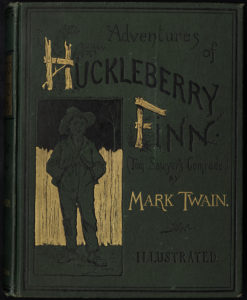 The book opens with a notice, explaining that anyone attempting to find motive, moral, or plot in this story will be subsequently prosecuted, banished, or shot. From the opening page, this book flaunts narrative, which is a hole-in-one from where I’m standing. The story that follows is a series of funny and dramatic events with a few well-developed and desperate characters and a barrage of side-character kooks to keep things light and interesting. It’s meant to be a delightful adventure story, through and through.
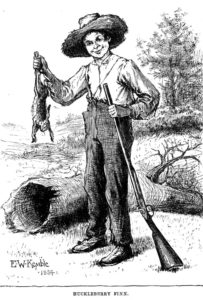 But I’ve gotten ahead of myself—the only way this anti-narrative story even remotely works is because it has good characters. Huck is a boy in the American South, and he comes from an impoverished world with an abusive father. He views himself as a wrongdoer, or as trash, so he oscillates between wanting to do what’s right and giving up to do wrong. This puts him directly on the path of running away with an adult slave, Jim, whose relationship with Huck is tumultuous, subtle, carefree, and one of the strongest examples of friendship literature has to offer.
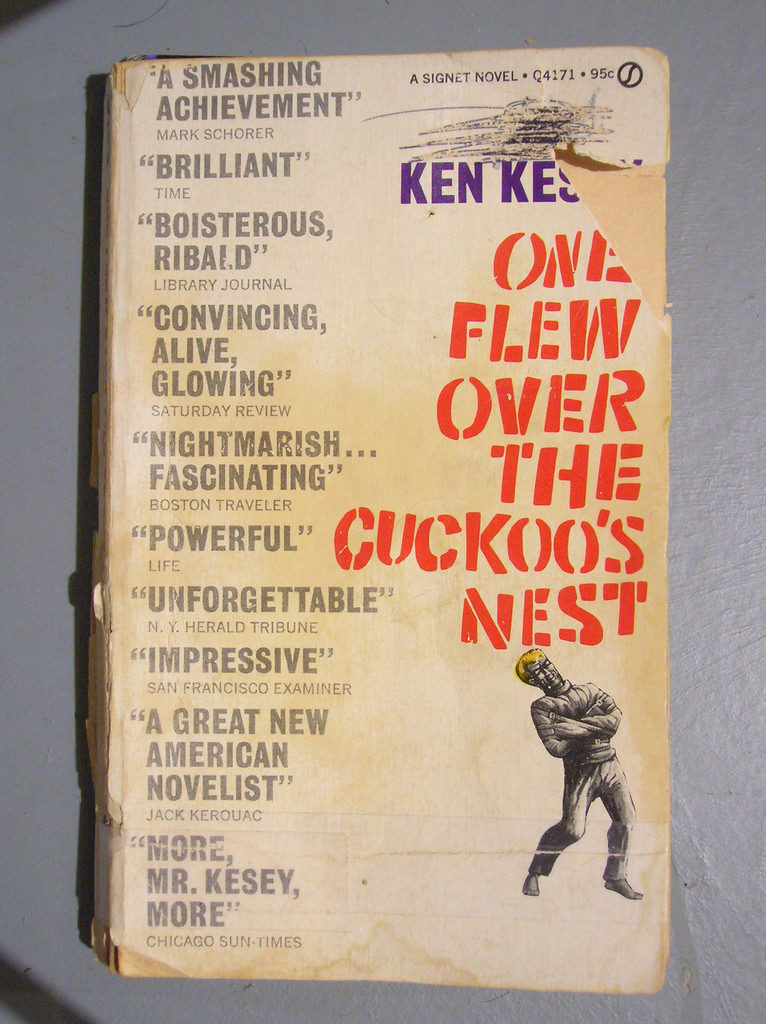 First of all, the writing is SOLID. Everything about Kesey’s style is original, enjoyable, clever . . . it’s audible and
 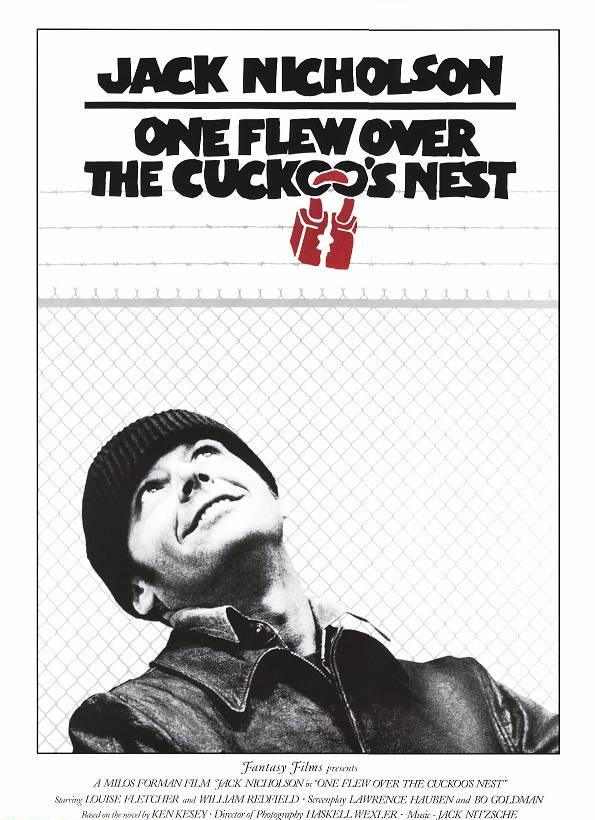 It’s easy to see McMurphy as the hero and Ratched as the villain, and while Ratched has next to no redeemable qualities, McMurphy is a far cry from a great leader or liberator in any scenario. His criminality alone isn’t a series of innocent slips—it’s implied he’s done some terrible things. He has moments of kindness, most of which are veiled maneuvers to try to get what he wants—more freedom on the ward for something trivial, or at least the ability to upset the power dynamic and throw Ratched off her game. But there are moments of rebellion on behalf of the other patients, and those moments make McMurphy more complicated and more interesting. Kesey refuses to let McMurphy fall into labels that trap him like “hero” or “anarchist” or “revolutionary.”
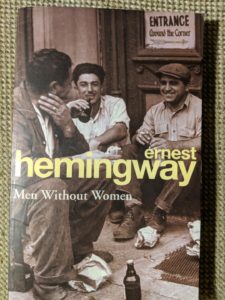 Welcome back class.
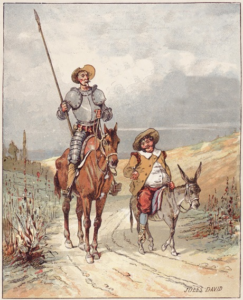 I’ve been comparing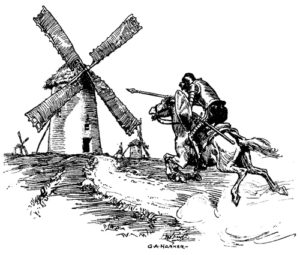
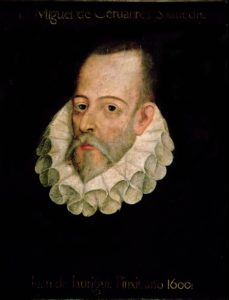
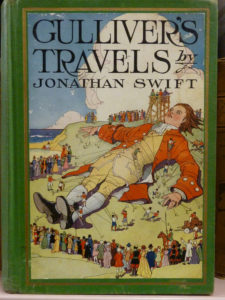 Welcome back, class.
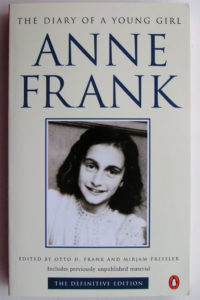 This isn’t a review or a critique of Anne Frank’s Diary—that’s not something I would consider appropriate for a book like this. The private journal entries of a teenager are a certain kind of sacred. There are parts about her Diary I don’t like, but they are a part of Anne Frank’s tragically cut-short life and deserve to be cherished.
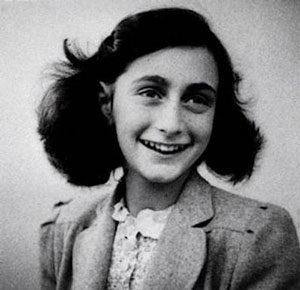 And then the Diary ends, unceremoniously. The inhabitants of the “Secret Annexe” (as it’s known in English) were captured in 1944, and the writings of a young girl were ignored and left behind. The nature of the book’s ending forces a return to the historical facts of the end of Anne’s life. You’re reading it knowing that eventually, she will die—and then the book ends as incompletely as her life. The ending reshapes the Diary back into a historical artifact, along with the reports of her life in the concentration camp and the details known of her death.
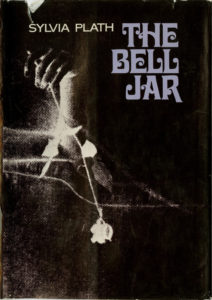 The story follows Esther Greenwood, a young woman with a bright future who begins to suffer from depression. At first it’s mild—inconvenient distresses that affect her life here and there—but it develops into suicidal thoughts and actions. One almost-forgettable moment stands out to me: she sleeps in one morning, innocently enough, because she feels like there’s nothing to look forward to if she gets up. The light from the window shines in, but she buries herself in her sheets and under her pillow, back into the darkness. It’s subtle, but it’s a clear sign of her illness affecting her every moment.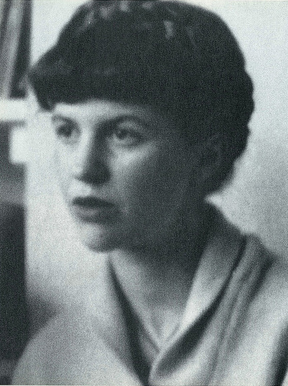

 Hello again, class.
Recent Comments