Good morning, class.
It’s hard to write about The Stranger because there’s so little of it. It’s not the shortest novel on the list of 50 Books to Read Before You Die, but it feels like it is—it’s like an extended short story, circling one major event in the center, building up to it and reacting to it. It’s the story of a man named Meursault, unworried and unambitious, who commits murder and goes to trial. There, he faces his own mortality and means to understand the meaninglessness of the universe.
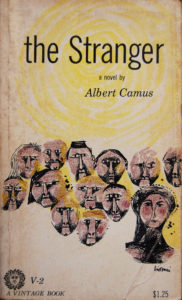 Meursault has a philosophy of life that answers every problem that approaches him: nothing matters. His mother dies in the opening line of the novel—and nothing matters. His employer doesn’t see him as ambitious enough and dares him to care more about his job—but nothing matters. He is arrested for murder that he feels isn’t his fault—still, nothing matters. It’s more of a philosophy than a story; but then the philosophy and the story collide, and things get interesting. What about love? Romantic love, family, friendship? Does that matter? What about religion, afterlife, the soul—do those things matter? Does one’s own life matter? Meursault faces those questions with his philosophy like a knight faces a dragon with a sword—the drama of such a mundane, detached story comes in when his lifestyle of detachment is threatened by things that require passion, care, commitment . . . and whether or not Meursault upholds his beliefs is what makes him a philosophical hero.
 I have some personal bias here—like with other books on the 50-books list that handle belief systems, the philosophy of this story conflicts with mine and makes it difficult for me to connect with it. It’s hard enough anyway to connect with The Stranger—it disregards and abandons connection. The belief that nothing matters is found not only in what’s being said, but also in how it’s being said. It’s a story that feels emotionless, and it means to strip away not only the things we’re supposed to care about, but also the act of caring at all. Long story short, it’s difficult to appreciate this story while reading it.
But to discuss it (especially in a classroom setting) opens up some of the most important questions people can ever ask. What does it mean to live as if nothing matters? What are the stories—or, more appropriately, lies—that we tell each other to convince ourselves to care? And the things that we care about—justice, family, God, money, comfort, morality, health, beauty . . . what if those things are simply shadows on a cave wall?
I don’t have answers to those questions, and I don’t even have all the questions. But if you read The Stranger honestly and witness this one man’s struggle with his state in the vast universe, I can bet you’ll start asking those questions yourself.

Author Albert Camus
It’s hard to tell this kind of story, so credit is due to the author, Albert Camus. It’s not the most exciting book—like I said, it’s less story, more philosophy—but Camus knows how to frame philosophy in the heart of his story. I’ve also read The Plague by Camus, and it asks similar unanswerable questions of existence and mortality, and tells a story worth reading. If anything, Camus made the list for a good reason.
Next up is Heart of Darkness by Joseph Conrad—another one as morbid and thought-provoking as The Stranger, with a bit more story in it’s punch. More on that next time.
Until then,
Prof. Jeffrey
 First of all, the writing is SOLID. Everything about Kesey’s style is original, enjoyable, clever . . . it’s audible and
 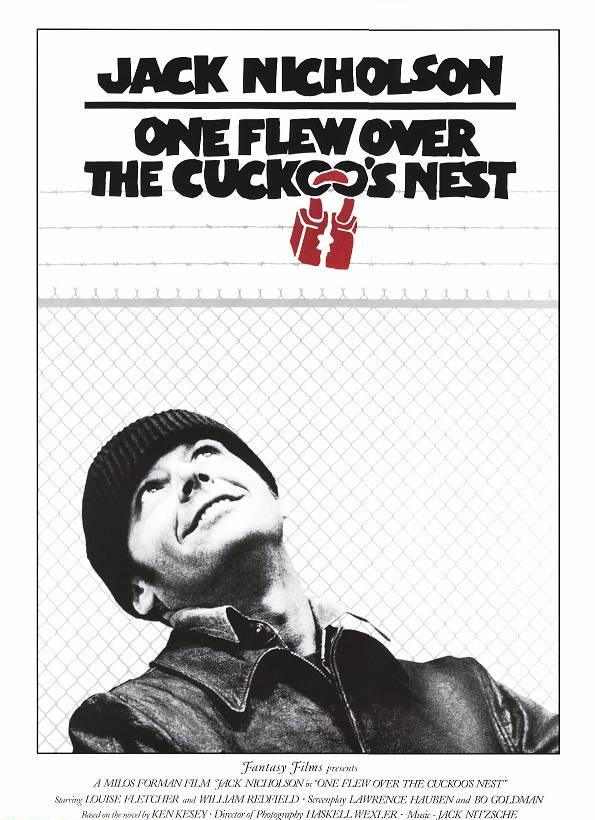 It’s easy to see McMurphy as the hero and Ratched as the villain, and while Ratched has next to no redeemable qualities, McMurphy is a far cry from a great leader or liberator in any scenario. His criminality alone isn’t a series of innocent slips—it’s implied he’s done some terrible things. He has moments of kindness, most of which are veiled maneuvers to try to get what he wants—more freedom on the ward for something trivial, or at least the ability to upset the power dynamic and throw Ratched off her game. But there are moments of rebellion on behalf of the other patients, and those moments make McMurphy more complicated and more interesting. Kesey refuses to let McMurphy fall into labels that trap him like “hero” or “anarchist” or “revolutionary.”
 Good morning, class.
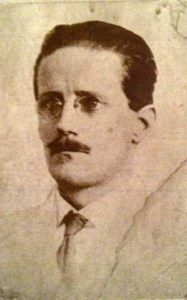
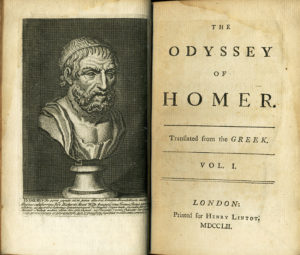 These Odyssey references, where the name Ulysses comes from, give the novel it’s epic-ness. The length of this one day is impressive, so filled with detail that it overflows at the seams, and it still doesn’t capture every single moment of the day. The ancient has been updated to match advances in technology and societal evolution, but it still meets the same archetypes it’s known for.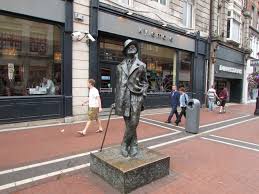
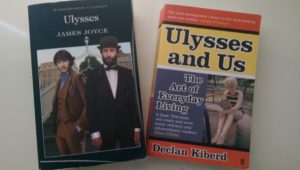 If you are going to try it, and you don’t have a literary professional standing nearby at all times, you might try reading a guidebook along with it—I recommend Ulysses and Us: The Art of Everyday Living by Declan Kiberd. It’s pretty focused on understanding the intentions behind the novel, and it helped me find the love within Ulysses. I also recommend any and all online resources—a summary won’t replace the novel, but it will help you understand what on earth is happening.
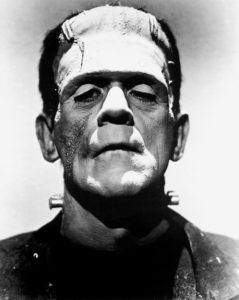
 Overcoming the Monster (that’s, like, the millionth time I’ve mentioned this one—take the hint, it will be on the test)
 A professor once told me that there are two ways to start a story—either a stranger comes to town, or someone decides to leave. Whatever happens from there changes everything. Somehow, that simple prompt is both challenging and comforting.
Recent Comments